

Addressing radio broadcasters seeking to expand their digital and visual presence without the expense or complexity of traditional television infrastructure, SCMS and radioDNA have shared their visual radio design and integration skills and sales and support with technologies from leading radio industry manufacturers. The result is radioDNA’s visual radio systems use of IP networking, digital audio and automated camera control, and Obsbot TailAir cameras offering polished, television-style productions from radio studios.
‘These systems are designed to meet broadcasters where they are,’ says Director of Video Systems & Automation, Fritz Golman. ‘Whether it’s a major market facility or a small-market studio, we’re using the same core technology to automate camera switching, integrate remote guests, and produce professional video content without requiring a full production crew.’
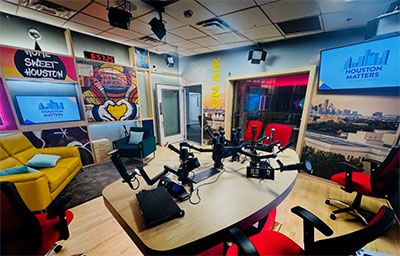 At the heart of the platform is a network-centric architecture that replaces traditional coaxial video wiring with structured IP connectivity. By using digital audio backends from manufacturers such as Wheatstone and Axia, alongside IP-based video transport, stations can significantly reduce cabling costs while gaining flexibility to scale, reconfigure, or expand their studios over time.
The systems integrate industry-standard NDI video networking with professional video production software, enabling centralised control and automation of multiple cameras. radioDNA’s proprietary software layer connects directly with radio automation systems, allowing routine video switching and production tasks to occur automatically, while freeing staff to focus on creative direction and show quality.
A key advantage of the platform is its ready support for remote guests and hybrid productions. Broadcasters can incorporate Zoom-based video feeds into live shows, bringing in guests, reporters or contributors from anywhere, and presenting them as part of a cohesive, broadcast-quality production.
‘Our customers are already experimenting with video, often by putting a few cameras in the studio and streaming to social media,’ says SCMS VP, Doug Tharp. ‘What radioDNA brings is a way to elevate that effort dramatically, using automation and networking to make the result look intentional, professional and monetisable – without blowing the budget.’
In addition to live streaming, the systems enable automated content repurposing, allowing stations to quickly generate short-form video clips for social media and on-demand platforms. Advanced monetisation options include visual sponsorships, branded elements, and dynamic insertion of video advertising into online streams, creating revenue opportunities beyond traditional on-air spots.
‘This partnership is about making visual radio practical and profitable,’ Tharp says. ‘Together, we’re giving broadcasters tools that were once reserved for television studios, now optimised for radio workflows and budgets.’